Compare commercial pest control
Compare commercial pest control
Blog Article
Tested Pest Management Methods: Maintain Your Home Pest-Free
Effective pest control approaches are vital for preserving a pleasant living space. Homeowners encounter various challenges from typical pest issues, which can interrupt daily life. Identifying the signs of pest invasion is the first step in managing these issues. While natural methods have gained popularity, comprehending the full spectrum of management strategies is essential. This investigation raises important questions about the equilibrium between do-it-yourself approaches and when to seek professional assistance. What strategies will turn out to be most effective?
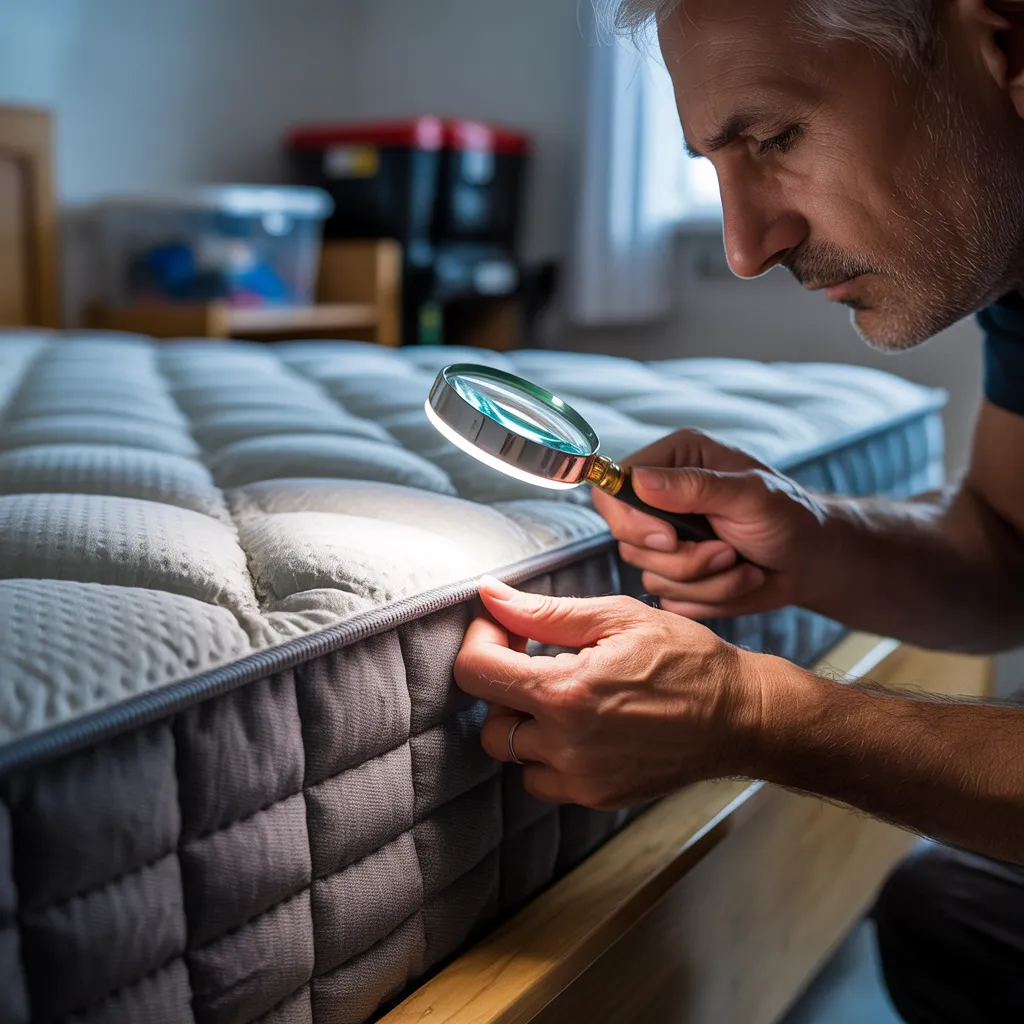
Common Household Pests and Effective Pest Control
When house owners encounter unwanted guests in their living spaces, they often pursue immediate solutions for common household pests. Ants, cockroaches, and rodents are often found among these creatures. Ants generally invade kitchens looking for food, and cockroaches survive in warm, dark environments. Rodents, meanwhile, can cause structural damage and create health risks.
Efficient pest control begins with detection and avoidance. Homeowners are recommended to block access openings, maintain cleanliness, and eliminate food sources. Poison traps and chemical solutions can be used for specific infestations, though caution is advised to assure wellbeing for children and pets. In critical situations, specialist extermination firms may be vital to execute thorough eradication methods. Recognizing the behavior of these creatures and employing targeted strategies cultivates a improved household conditions and lessens upcoming pest outbreaks.
Identify Indicators of Infestation
Spotting signs of infestation is critical for successful pest prevention. Common indicators include unexpected sounds, distinct smells, and clear waste or impairment to property. Pinpointing these concerns early can help prevent a minor issue from ballooning into a substantial crisis.
Frequent Pest Warnings
How can one pinpoint the subtle signs marking a pest infestation? Spotting frequent pest signals is necessary for timely action. Tiny pellets, frequently similar to grains of rice or coffee grounds, can suggest the presence involving insects or rodents. Also, gnawed materials, such as wires or wood, denote chewing pests namely termites or rats. Unusual marks upon walls or furniture, including marks or scratches, might indicate pest movement. Moreover, nests or webs found in hidden corners tend to suggest infestations. Homeowners must stay alert to discarded wings or shed skins, which are common among certain insects. Via recognition of such signals, individuals may implement preventive solutions to maintain a pest-free environment.
Strange Sounds and Odors
Strange noises and odors can be critical indications of a pest infestation. Homeowners may detect scraping, scurrying, or chewing sounds, mostly at night when pests tend to be most active. These noises typically signal the presence of rodents such as mice or rats, which live in walls, attics, or basements. Moreover, certain odors can indicate an infestation. A musty or pungent smell might reveal a buildup of droppings or urine, whereas a unpleasant, rotting scent might suggest the existence of dead pests. Understanding these auditory and smell indicators is vital for early detection. Quick attention to unusual sounds and smells can assist homeowners in addressing problems before a minor issue turns into a major pest problem.
Clear Droppings or Destruction
Evident droppings and structural damage represent critical indicators of an infestation problem. Homeowners should stay observant when noticing these warning signs, given that they differ markedly across pest types. Rat waste, for instance, measure small, dark-colored, and pellet-shaped, regularly spotted in hidden locations or adjacent to food. By comparison, insect waste could resemble tiny specks or particles, based on the particular species. Structural deterioration might emerge as damaged electrical lines, as damaged wood pieces, or as holes in walls. Such signs not only points to the presence of pests and emphasizes potential health risks to personal wellness and property. Swift identification of these clues becomes essential for effective pest control and prevention strategies, ensuring a healthy household and pest-free environment.
Leading Eco-Friendly Pest Management Approaches
Plenty of homeowners seek chemical solutions for insect management, but premier organic solutions deliver workable options that are environmentally conscious and non-toxic. Aromatic plant extracts, including lavender and peppermint, can repel various insects because of their robust fragrances. Diatomaceous earth works as a organic pest deterrent, dehydrating pests upon contact. Additionally, vinegar remains a versatile solution, effectively deterring ants and spiders when used as a spray.
Handmade catches, like baited jars for fruit flies, can also be advantageous. Releasing natural enemies, such as ladybugs and lacewings, helps suppress pest populations without damaging the ecosystem. Moreover, routine sanitation and proper food storage deter unwanted guests by disposing of discover more attractants. Planting herbs like basil and rosemary around the home can also function as natural repellents. By integrating these methods, homeowners can copyright a pest-free environment while promoting a healthier living space.
Exploring Synthetic Pest Management Choices
Chemical pest control options offer a variety of pest control formulations created to eliminate specific pests efficiently. Comprehending these various formulations is essential for successful application and reducing environmental impact. Furthermore, following protective measures is crucial to guarantee the well-being of both users and nearby environmental systems.
Varieties Of Chemical Pesticides
Pesticides deliver an critical aspect in contemporary agriculture and pest management, offering a range of solutions formulated to target specific pests effectively. There are numerous types of chemical pesticides, including insecticides, which manage insect populations; herbicides, which target unwanted plants; and fungicides, used to fight fungal infections. Additionally, rodenticides are formulated to remove rodents, while nematicides focus on parasitic worms. Each category contains various active ingredients, permitting for tailored approaches based on the pest type and infestation level. Systemic pesticides are absorbed by plants, delivering internal protection, while contact pesticides act on contact with the pest. Understanding these classifications aids in selecting the most appropriate pesticide for effective and efficient pest control.
Safety Steps To Think About
When engaging in pest control, it is important to prioritize safety measures to lessen potential risks connected with chemical applications. Homeowners should always comply with label instructions carefully, confirming proper dosage and application methods. Personal protective equipment (PPE) such as gloves, masks, and goggles is essential to safeguard against chemical exposure. It is advisable to hold children and pets away from treated areas until the chemicals have dried and the space has been refreshed. Additionally, securing pesticides securely and out of reach can prevent accidental ingestion. Finally, evaluating eco-conscious options can cut down health risks while still adequately handling pest problems. Implementing these precautions provides a safer environment while conducting necessary pest control measures.
Apply DIY Pest Control Tips
Implementing DIY pest management tips enables homeowners to address pest problems effectively and economically. Basic solutions often utilize common household items, making them convenient and affordable. For instance, a mixture of vinegar and water can repel ants, while baking soda and sugar can lure and destroy cockroaches.
Keeping your space clean is vital; storing food in sealed containers and immediately tackling spills discourage pest activity. Homeowners can also build protection by closing cracks and gaps around doors and windows. Natural oils such as peppermint and tea tree oil act as natural deterrents, providing a pleasant-smelling option to synthetic pesticides.
Consistent home inspections for pest activity allow quick response, stopping larger infestations. Traps and bait stations should be strategically placed in frequently used zones to observe and regulate pest populations. Through embracing these DIY strategies, homeowners can copyright a pest-free home while building a sense of control and responsibility in their living spaces.
When should you obtain expert support?
Homeowners may find that despite their best efforts with DIY pest control methods, some infestations need professional intervention. Indicators showing the necessity for expert help include ongoing pest problems, significant invasions, or the existence of pests that create health risks, such as rodents or termites. If initial treatments fail to yield results, it may be time to consult professionals who have specialized knowledge and tools.
Moreover, certain conditions necessitate immediate expert support. These feature the discovery of nests in hard-to-reach areas, potential structural damage caused from pests, or when dealing with dangerous insects, like wasps. Homeowners should also consider expert help if they lack the time or capacity to manage the situation competently. Ultimately, engaging a pest control expert can promise a comprehensive analysis and a strategic plan, providing peace of mind and a pest-free environment.
Frequently Raised Questions
How Can I Prevent Pests From Entering My Home?
To prevent pests from breaching a home, one should seal cracks, apply protective barriers on windows, maintain cleanliness, store food properly, and regularly inspect for signs of infestation. These measures greatly reduce the likelihood of unwanted inhabitants.
Can you find any Petsafe pest management options?
Absolutely, pet-friendly pest control solutions exist. Plant-based repellents, aromatic oils, and traps made specifically with application around animals can effectively keep pests away without harm to animals. Always review product labels for protective guidelines.
What Will Pest Control Solutions Expense You?
Expenses related to pest control solutions differ considerably, usually spanning from $100 to $300 for initial treatments. Recurring maintenance programs may cost $40 to $70 monthly, based on the intensity of the infestation and service frequency.
How extended Does Pest Control Treatment remain effective?
Pest control treatment typically runs from a few weeks to several months, contingent on the pest type and the treatment method used. Regular appointments may be needed to maintain effectiveness and prevent re-infestation.
Will Pests Come Back After Treatment, and How Can I Block That?
Pests could return after treatment if not properly managed. Preventive measures include sealing entry points, preserving cleanliness, and periodic assessments. These actions help reduce the odds of infestation recurrence and maintain a pest-free environment.
Report this page